The Opedia Network
TractorsOpedia
A front door to local tractors discovery and an authority-content home for everything worth knowing about tractors.
Find Tractors Near YouSearch for tractors by ZIP code or city/town
Find local places, services, products, and resources connected to tractors near you.


Your Guide to Tractors and Local Favorites
TractorsOpedia helps you find nearby tractor dealers, repair services, parts suppliers, equipment resources, and practical information for choosing, using, maintaining, and understanding tractors.
What Kind of Tractor Do I Actually Need?
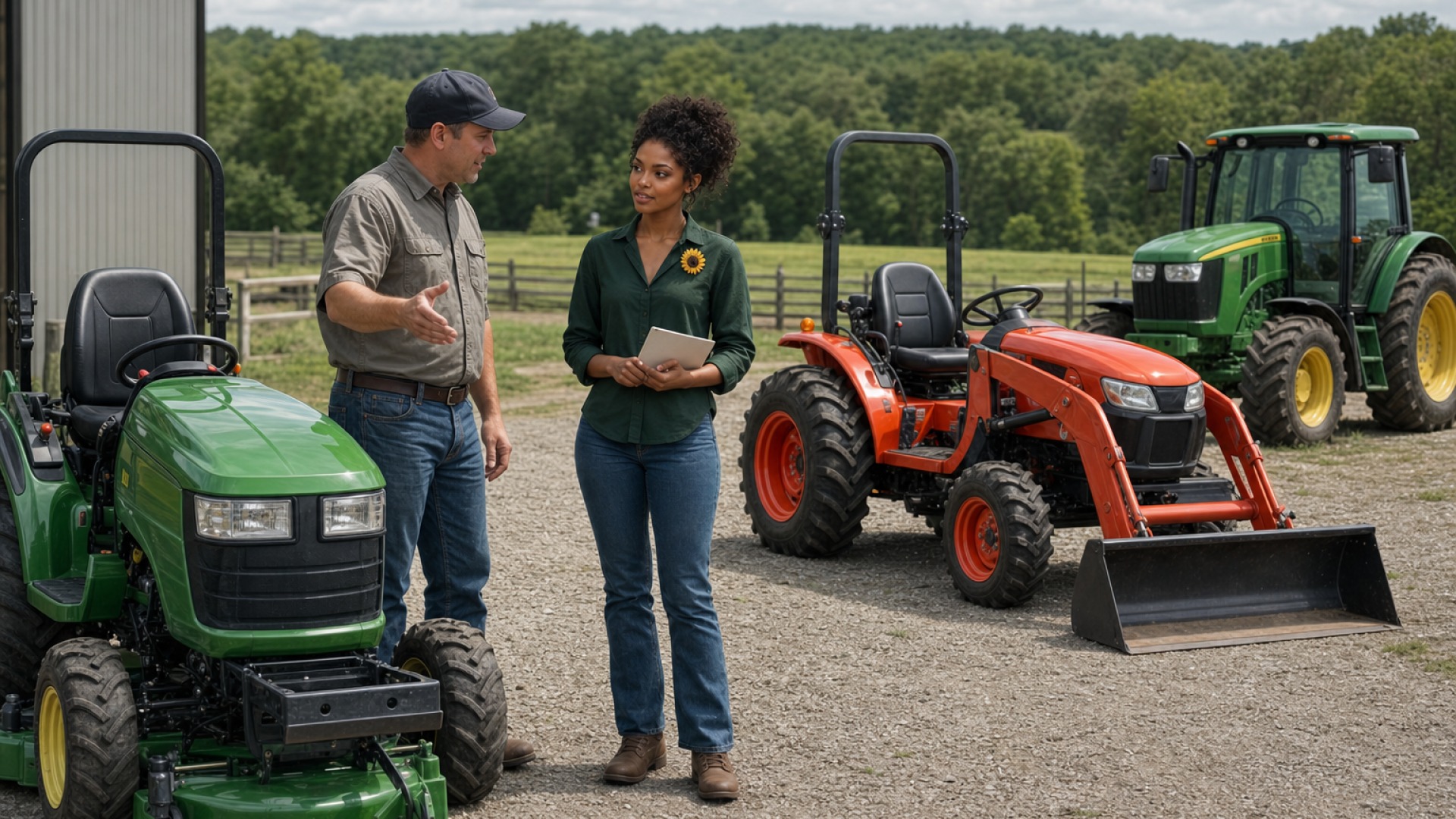
Choosing a tractor starts with the work, not the machine. A property owner mowing several acres, a small farmer moving hay, a landscaper handling soil, and a larger operation preparing fields may all need very different equipment. TractorsOpedia helps visitors think through acreage, terrain, towing, loader work, mowing, grading, snow removal, field work, and the attachments they expect to use. The goal is to help buyers avoid paying too much for tractor they do not need, while also avoiding a machine that is too small, too light, or under-equipped for the jobs they expect it to handle.

Should I Buy a New Tractor, Used Tractor, or Refurbished Tractor?
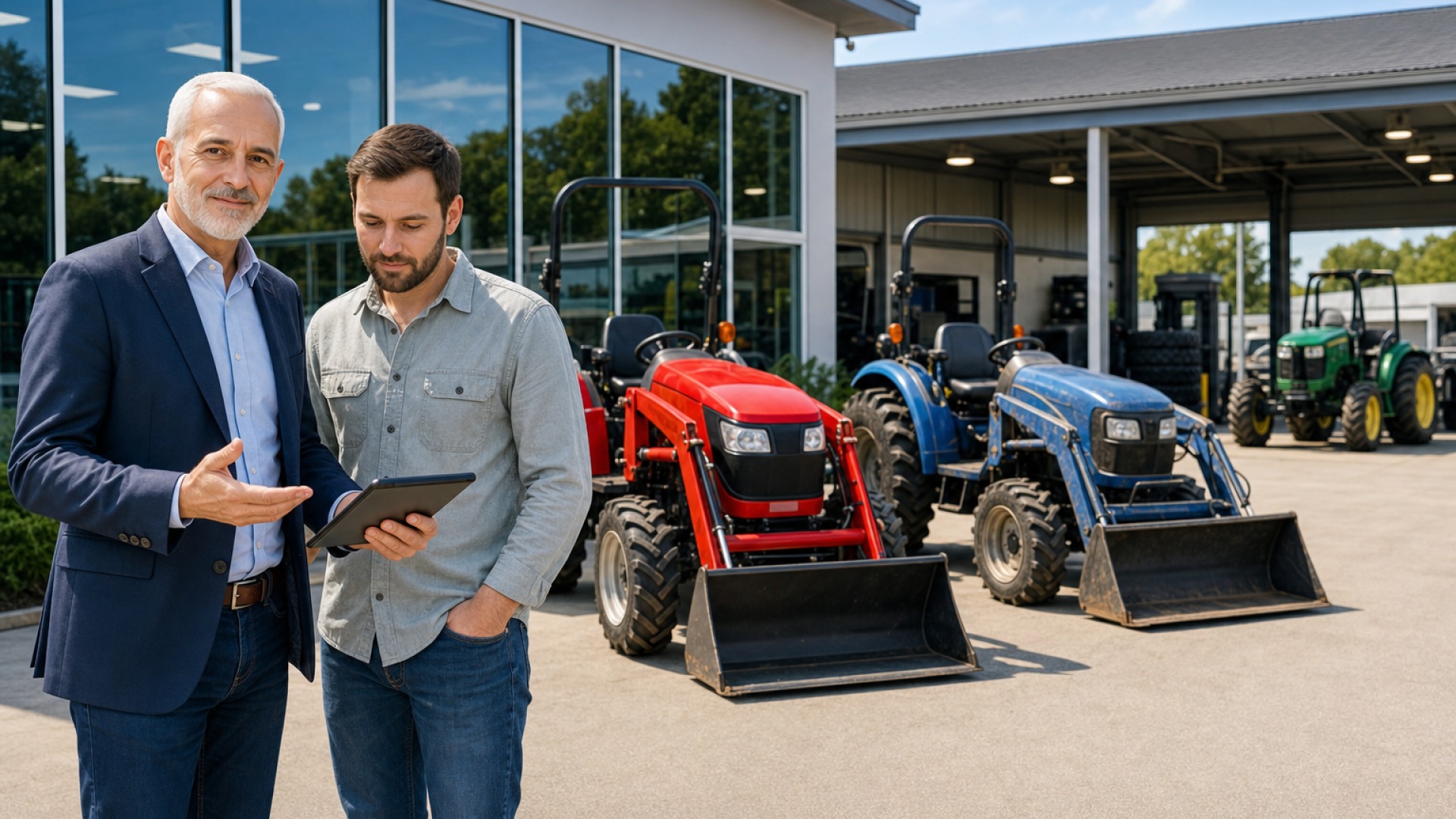
A new tractor can offer warranty protection, dealer support, financing, and known maintenance history. A used tractor may offer better value if it has been maintained, inspected, and matched correctly to the work. A refurbished or reconditioned machine can be attractive, but the quality depends heavily on who performed the work and what was actually replaced. TractorsOpedia helps visitors compare price, warranty, hours, age, parts availability, service records, financing, and long-term risk. The best tractor is not always the newest or cheapest one. It is the one that fits the work, budget, support network, and expected years of use.

Compact, Sub-Compact, Utility, Garden, or Row-Crop Tractor?
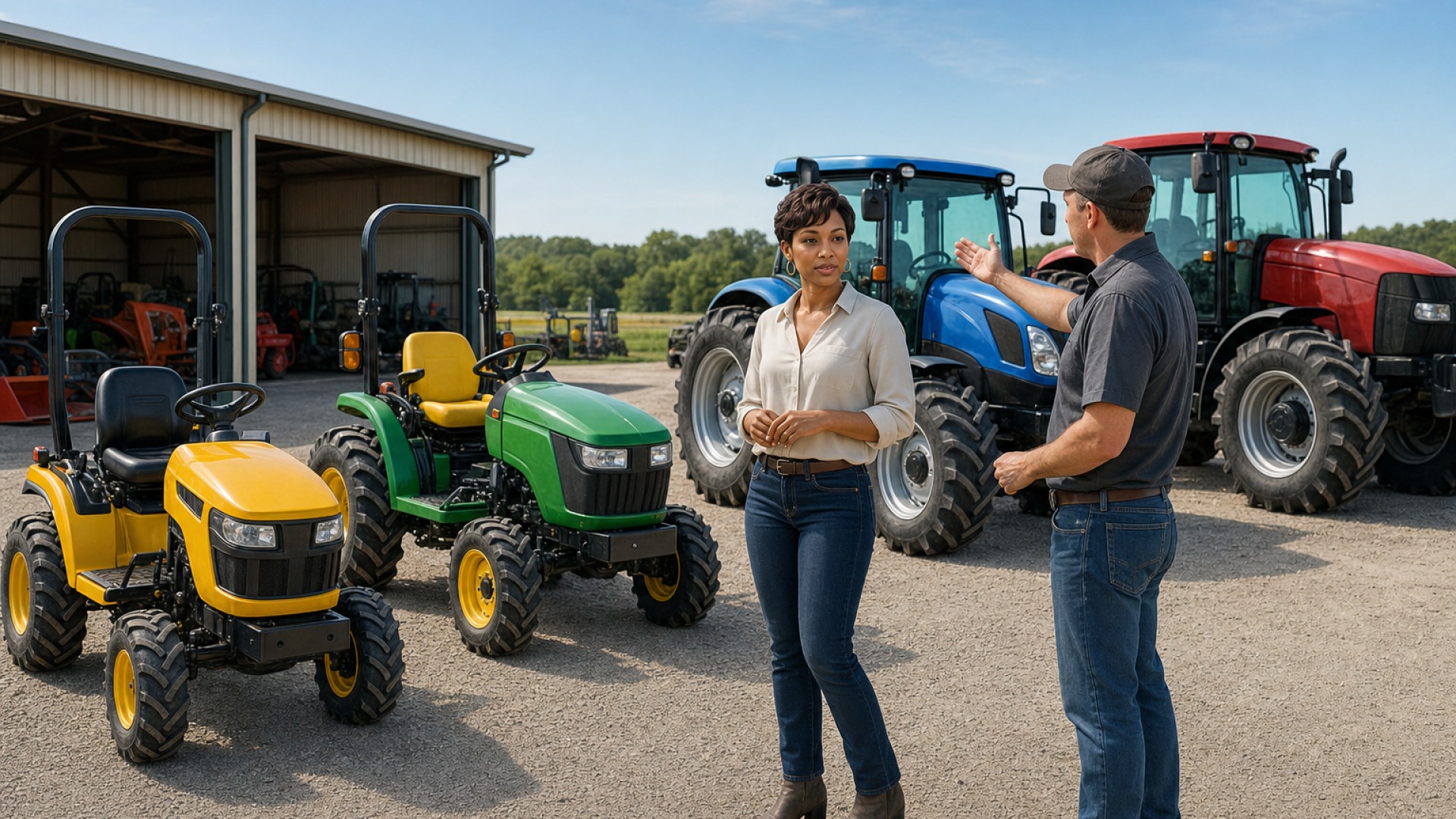
Tractor categories can be confusing because names often overlap. Sub-compact tractors are usually for smaller properties and lighter jobs. Compact tractors can handle mowing, loader work, and many property-maintenance tasks. Utility tractors are heavier and better suited for tougher work, bigger implements, and larger acreage. Garden tractors may serve serious lawn and landscape needs, while row-crop and larger agricultural tractors belong in more specialized farming operations. TractorsOpedia helps visitors understand the language before they start shopping, so they can speak with dealers and sellers more confidently and narrow the search to the machines that make practical sense.

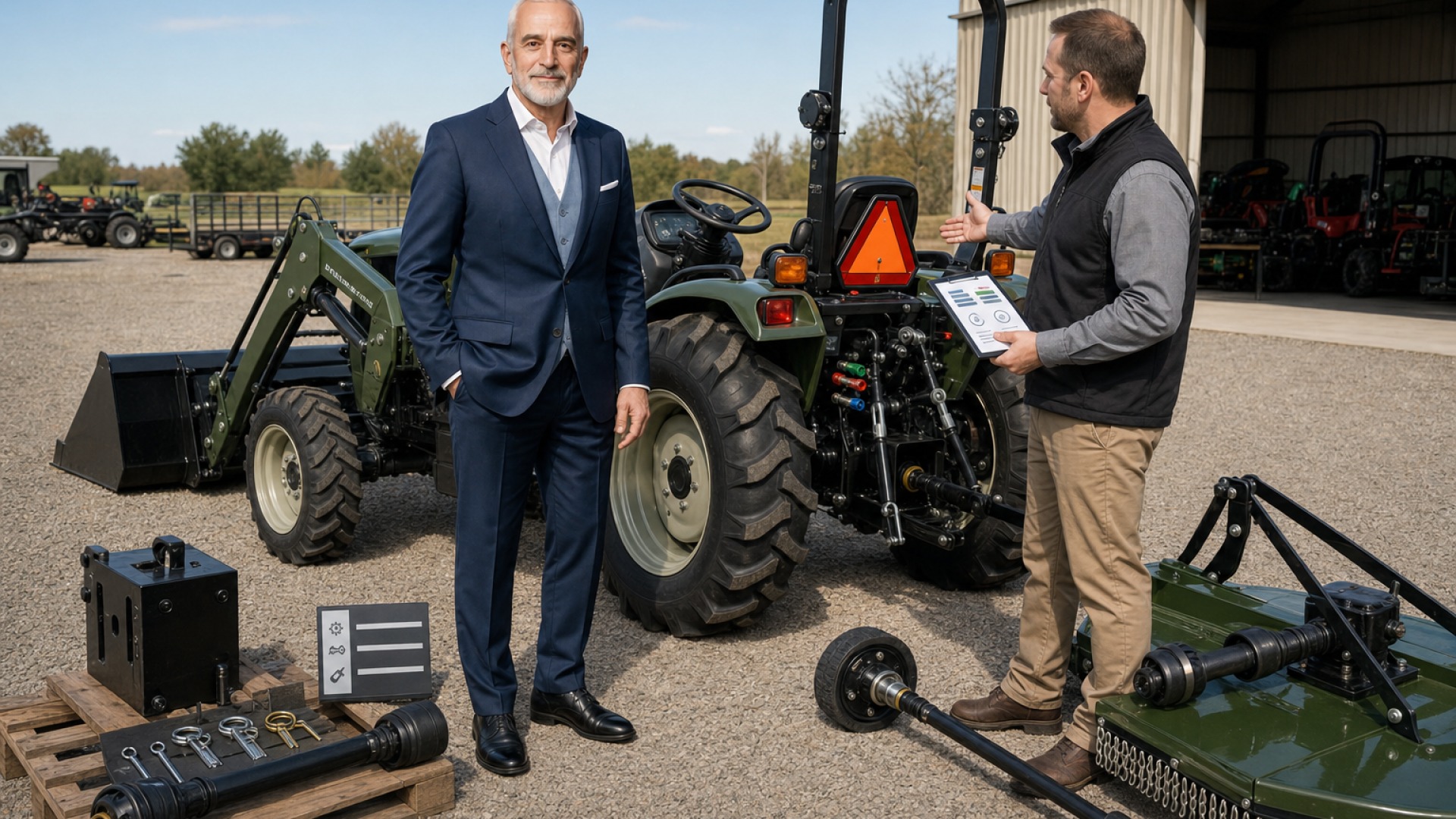
How Much Horsepower, PTO Power, and Lift Capacity Do I Need?
Horsepower gets attention, but it is only part of the decision. PTO power affects mowers, tillers, balers, augers, and other powered implements. Loader lift capacity matters when moving soil, gravel, hay, pallets, or materials. Hydraulic flow affects attachments, steering, and implement performance. Weight, traction, tires, ballast, and transmission can matter as much as engine rating. TractorsOpedia helps visitors understand why a machine that looks strong on paper may not be right for a specific job. A good dealer should ask what implements will be used and what loads must be lifted before recommending a tractor.

Dealer, Auction, Private Seller, or Rental Fleet — Where Should I Buy?
Where a tractor is purchased can matter almost as much as which tractor is purchased. Dealers may offer financing, warranty, delivery, setup, parts, and service support. Auctions can offer bargains but often require faster decisions and greater inspection skill. Private sellers may provide value if records and condition are clear. Rental-fleet machines may have regular maintenance but heavier use. TractorsOpedia helps visitors understand the tradeoffs before money changes hands. The best source depends on the buyer’s experience, ability to inspect equipment, tolerance for risk, and need for local service after the sale.
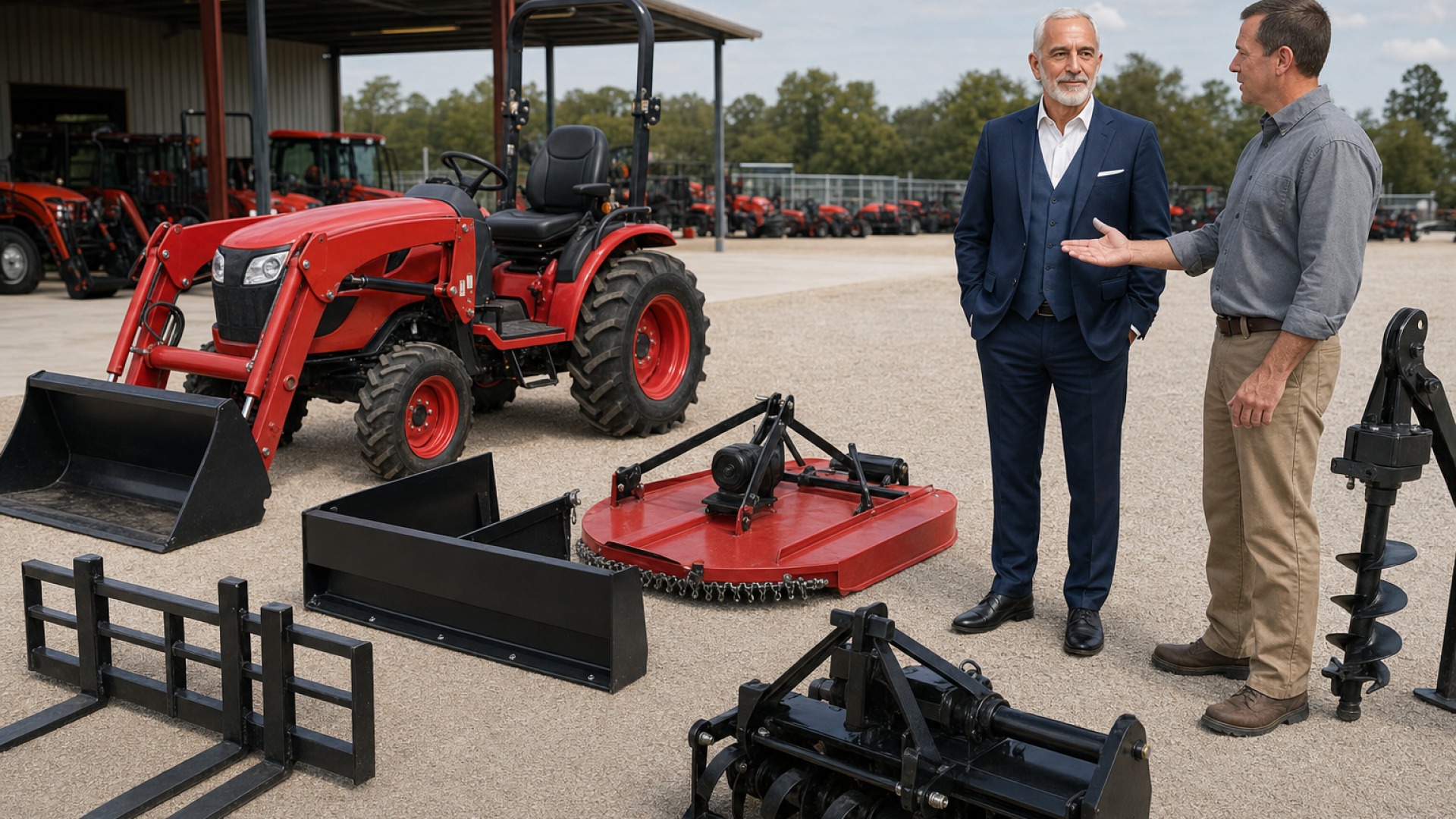
Which Attachments and Implements Should I Plan For?
Many tractor decisions are really attachment decisions. A front loader, box blade, rotary cutter, finish mower, tiller, post-hole digger, backhoe, snow blade, pallet forks, hay spear, or landscape rake can change what a tractor can do. But attachments must match horsepower, hitch category, hydraulic capacity, weight, width, and the operator’s actual work. TractorsOpedia helps visitors think beyond the tractor itself and plan the whole working system. Buying a tractor without considering implements can lead to frustration, extra cost, or equipment that does not perform as expected.
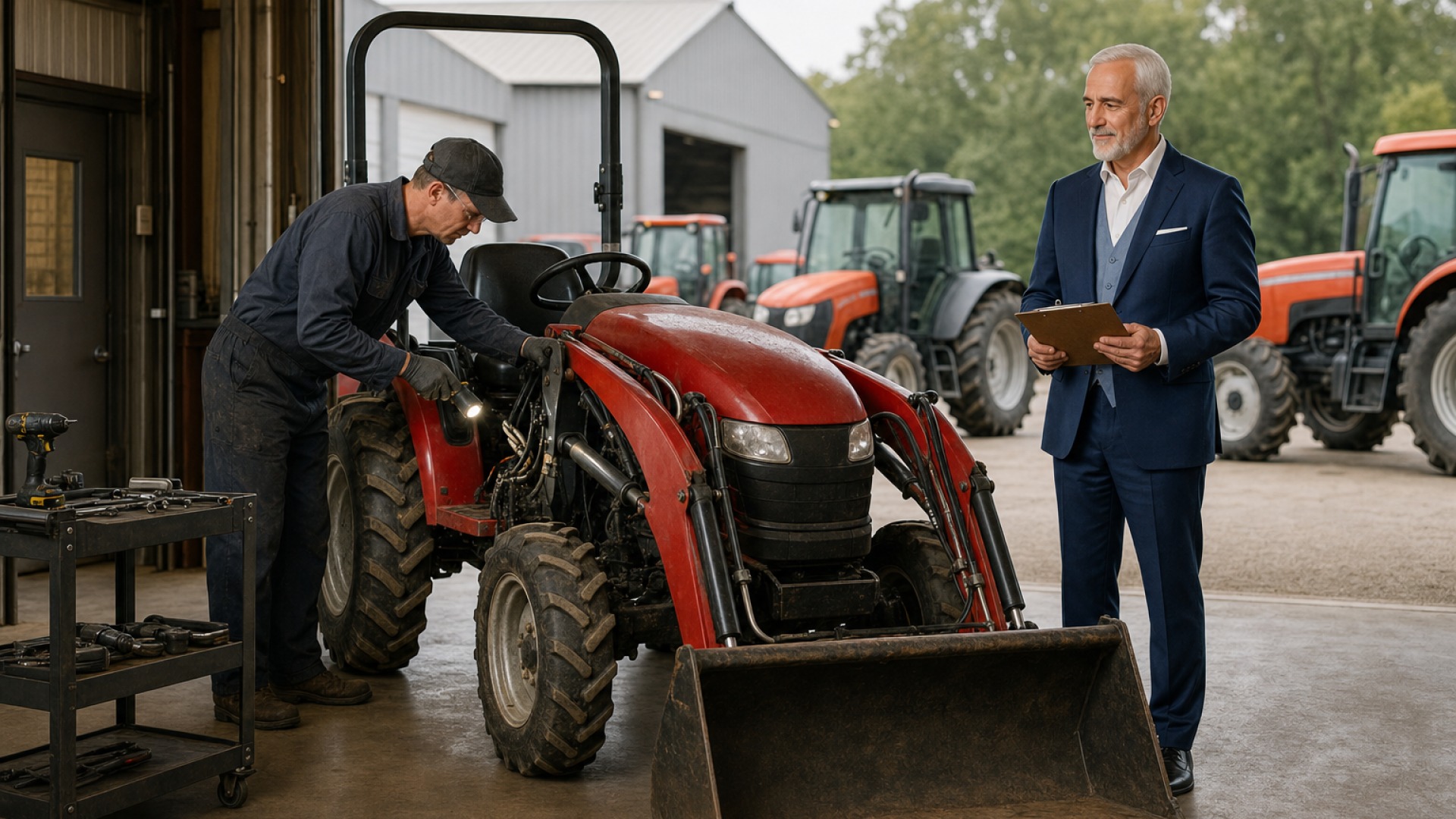
How Do I Inspect a Used Tractor Before Buying?
A used tractor inspection should go beyond paint and first impressions. Buyers should consider engine start-up, smoke, leaks, transmission behavior, clutch or hydrostatic operation, brakes, steering, hydraulics, PTO, three-point hitch, loader pins, tires, battery, wiring, hour meter, maintenance records, and signs of hard use. TractorsOpedia helps visitors know what to ask and what to observe before committing. A careful inspection does not guarantee perfection, but it can reduce surprises. When the tractor is expensive or unfamiliar, paying an experienced mechanic or trusted dealer to inspect it may be money well spent.
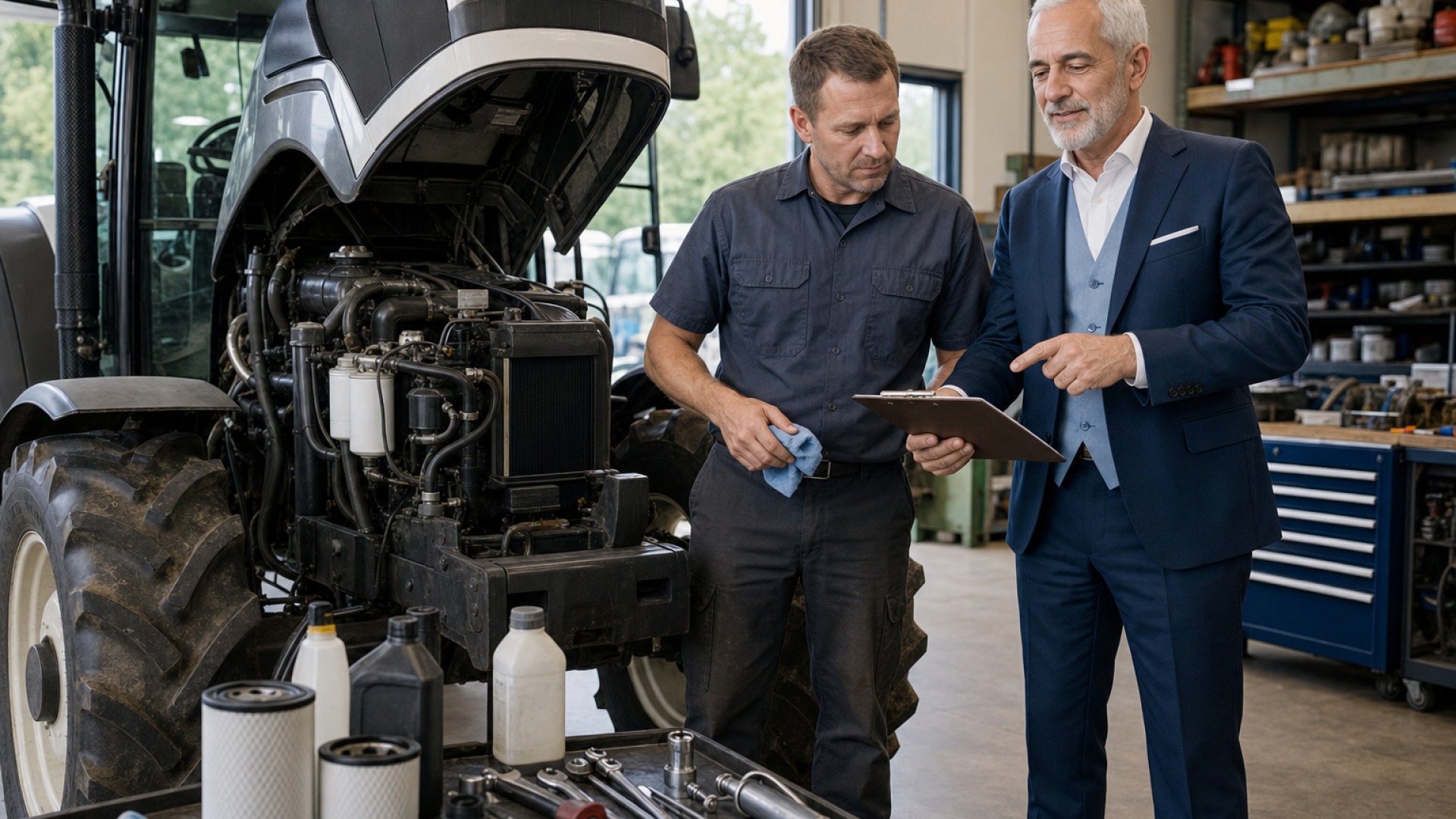
What Tractor Repairs, Parts, and Maintenance Should I Budget For?
Tractors can work for many years, but ownership includes maintenance and repair. Oil, filters, hydraulic fluid, coolant, belts, batteries, tires, grease points, blades, hoses, seals, brakes, clutches, PTO components, electrical parts, and loader wear items can all matter over time. Parts availability and local service support are especially important for older or less common machines. TractorsOpedia helps visitors think about total cost of ownership, not just purchase price. A lower-priced tractor can become expensive if parts are hard to find or if service requires long-distance hauling.
How Do I Operate, Haul, and Store a Tractor Safely?
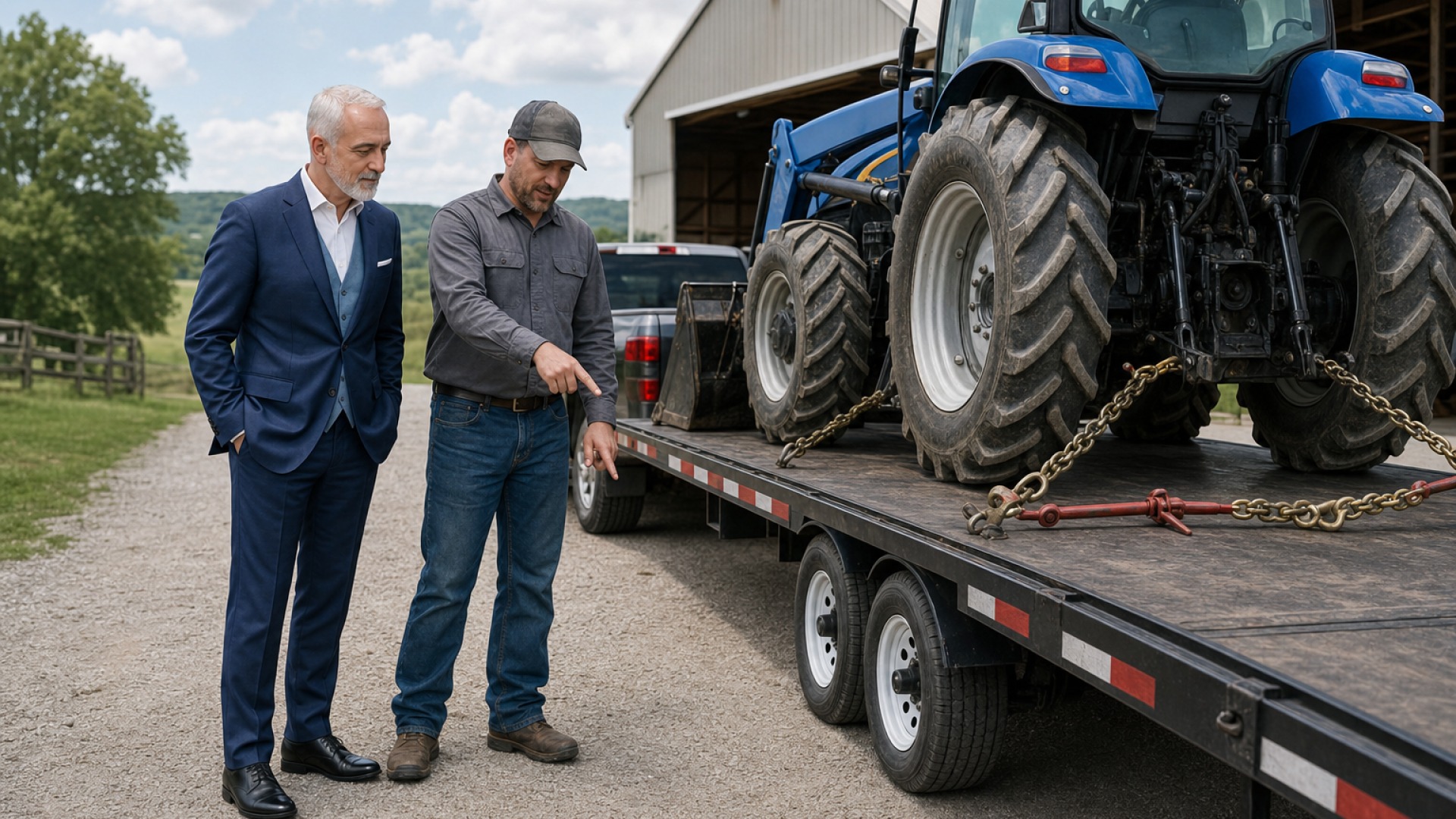
Tractor safety starts with respecting weight, terrain, visibility, rollover risk, attachments, bystanders, and transport rules. Operators should understand seat belts, rollover protection, safe speeds, loader position, slopes, PTO shielding, parking procedures, and how to keep children and bystanders away from danger. Hauling may require the correct trailer, tow vehicle, chains, binders, brakes, and weight ratings. Storage affects battery life, tires, paint, fuel, fluids, and long-term reliability. TractorsOpedia helps visitors approach tractors as serious working equipment, not toys or oversized lawn ornaments.
Diesel, Electric, Hydrostatic, Gear Drive, 4WD — Which Features Matter?
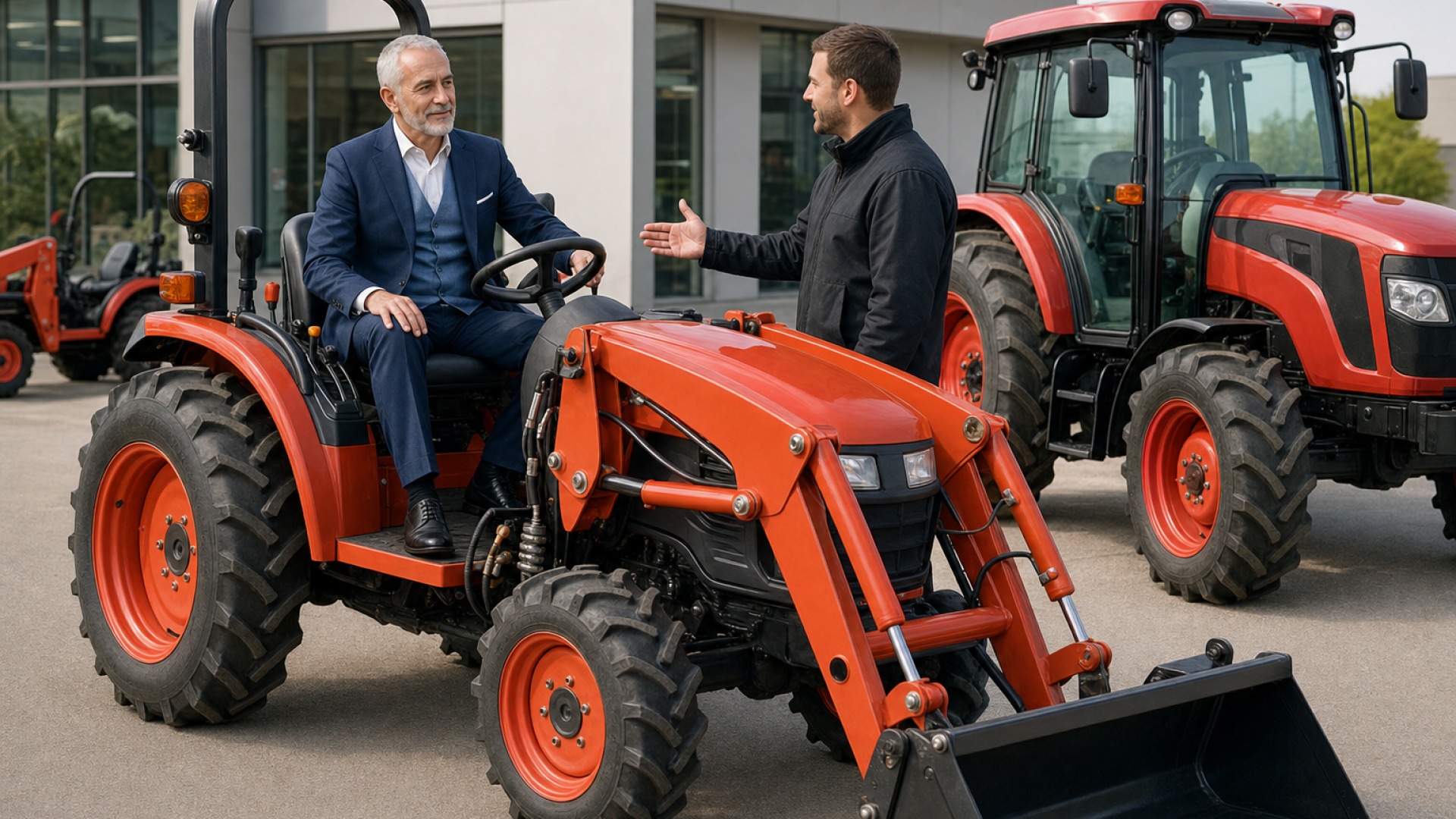
Tractor features affect how the machine feels and performs. Diesel engines remain common for torque and durability. Electric options may fit some lighter or specialty uses as the market develops. Hydrostatic transmissions can make loader work and mowing easier for many operators, while gear or shuttle transmissions may suit field work, pulling, and experienced users. Four-wheel drive, differential lock, cab options, tire type, quick-attach systems, remotes, and comfort features can all matter. TractorsOpedia helps visitors separate useful features from expensive extras and choose what fits their work, experience, climate, and budget.
How Do I Choose a Tractor Dealer or Repair Shop I Can Trust?
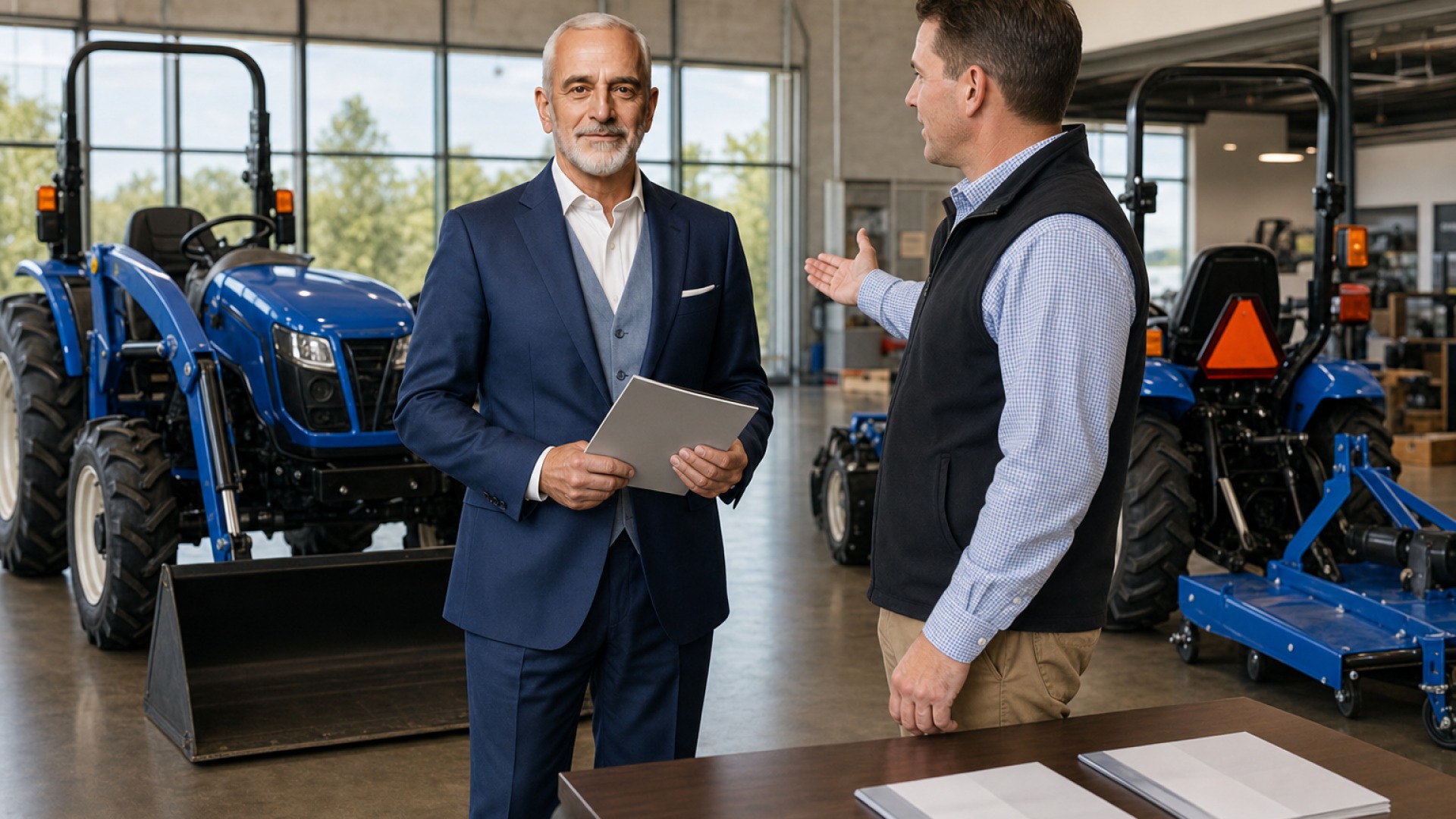
A trustworthy tractor dealer or repair shop should ask about the work first, explain options clearly, confirm implement compatibility, disclose fees, discuss parts and service support, and avoid pressuring buyers into more machine than they need. For repairs, good communication, clear estimates, realistic timelines, and willingness to explain findings matter. Reviews, local reputation, parts access, delivery options, mobile service, warranty handling, and after-sale support can all affect the ownership experience. TractorsOpedia helps visitors approach dealers and service providers with better questions and a clearer sense of what trustworthy help should look like.
For Local Businesses, Content Creators, and Prize Sponsors
Interested in learning how TractorsOpedia and the Opedia Network may help you reach new customers, create new opportunities, or increase your cash flow? Please check all that apply below.